
Eating Disorders & Addiction
Eating disorders and food addiction are complex conditions influenced by individual, social, and environmental factors—including the broader food system and policy landscape.
Our research on eating disorders and food addiction explores how aspects of the food environment—such as ultra-processed foods and targeted marketing—contribute to disordered eating behaviors and compulsive food consumption. We examine the intersection of mental health, nutrition, and policy, with a focus on prevention and reducing stigma. This work aims to inform policies that create healthier, more supportive environments for individuals at risk of or living with eating disorders and food addiction.
Policy Questions
Is ultra-processed food addictive? What policy approaches can curb intake of ultra-processed foods?
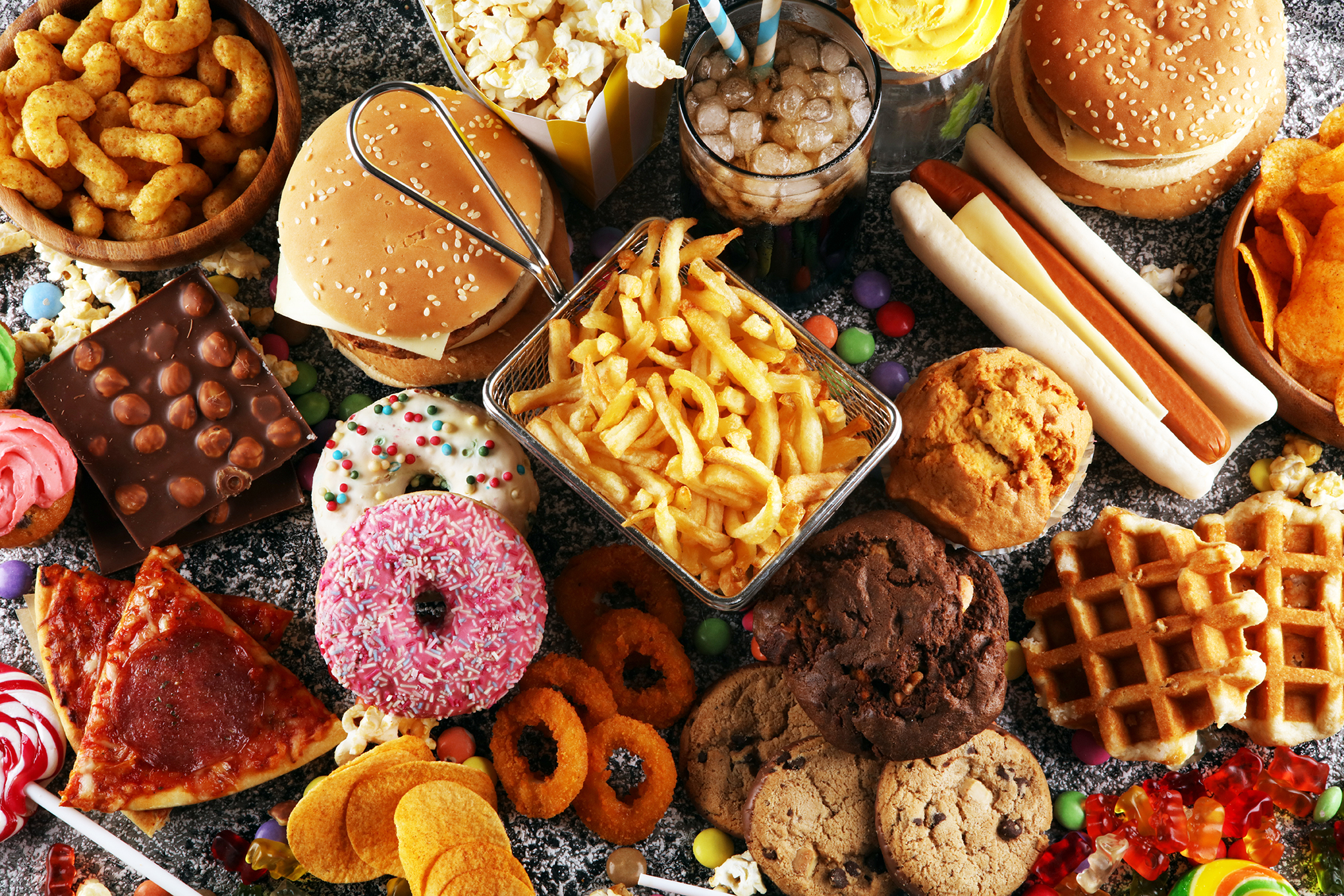
Ultra-processed foods high in refined carbohydrates and added fats are highly rewarding, appealing, and consumed compulsively and may be addictive.
Policy approaches to curb intake of ultra-processed foods should include strengthening front-of-package nutrition labeling, restricting marketing of ultra-processed products to children, implementing fiscal measures such as taxes on sugary drinks and junk foods, and reformulating food standards to reduce added sugars, sodium, and unhealthy fats
How can we limit the intake of harmful dietary supplements for weight loss and muscle building?
Policy should strengthen regulatory oversight of supplement ingredients and marketing claims, expand public education campaigns to raise awareness of health risks, and promote access to evidence-based, clinically tested treatments for weight management and muscle development as safer alternatives.
Can warning people that fashion advertisements have been altered in unrealistic ways help prevent eating disorders?
Placing warning labels on digitally altered fashion images is not a reliable policy tool to prevent eating disorders or reduce negative body image outcomes.
Impacts & Key Findings
12%–14%
14% of adults and 12% of children meet criteria for ultra-processed food addiction (based on the Yale Food Addiction Scale).
1.1%
reduction in BMI in Philadelphia associated with the sweetened beverage tax among a longitudinal panel of adults three years after tax implementation.